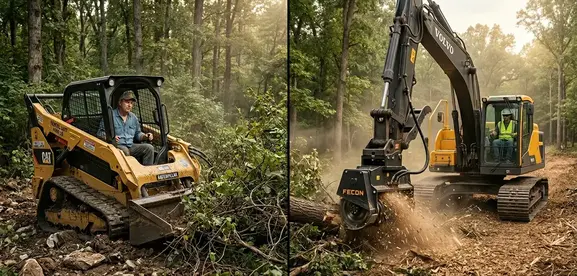
Excavation • Land Clearing • Site Prep • Grading

Land Clearing Estimates

(660) 371-5901

🌲 Tree Clearing • Brush Removal • Stump Grinding • Acreage Clearing Across North Missouri

Land Clearing Services in North Missouri

Professional land clearing, brush removal, tree clearing, stump grinding, and acreage cleanup across North Missouri. We transform overgrown, wooded, and unusable land into clean, accessible, build-ready property for homes, farms, driveways, and commercial development. Every project is handled with the right equipment and strategy to safely remove vegetation, protect usable ground, and prepare your site for grading or construction without unnecessary damage or disruption.

Serving Chillicothe, Kirksville, Cameron, Trenton, Bethany, Moberly, St. Joseph, Maryville, Brookfield, Macon, and surrounding North Missouri farms, acreage, residential, and commercial properties.
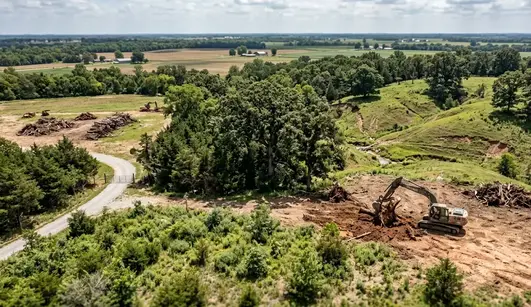
Heavy equipment clearing dense trees and brush on rural North Missouri land
Complete Land Clearing Tree Removal, Brush Clearing & Overgrowth Elimination for Build-Ready Property
Stump Grinding & Root Removal Eliminating Stumps, Root Systems & Subsurface Obstacles for Clean, Usable Ground
Acreage & Timber Clearing Large-Scale Clearing for Farms, Rural Properties, Hunting Land & Development Sites
Site Preparation Integration Clearing Land the Right Way for Future Grading, Driveways, Pads & Construction

Turning Overgrown Land Into Usable Property

Land clearing is the first step in transforming raw acreage into usable ground. In North Missouri, that often means removing dense brush, mature trees, old fence lines, stumps, and decades of unmanaged growth.

Whether you're building a home, expanding farmland, or developing rural property, proper clearing ensures the land is safe, accessible, and ready for grading or construction.

Common Vegetation Problems Across North Missouri

North Missouri landowners face a unique mix of fast‑spreading invasives, unmanaged timber, and years of accumulated overgrowth. These issues reduce usable acreage, hide property features, and make routine maintenance nearly impossible. Below are the most common vegetation challenges we’re called to handle throughout the region.

Eastern Red Cedar Invasion

Cedars spread rapidly across pastures and hay fields, choking out native grasses and reducing productivity. Their dense canopy blocks sunlight, and their root systems pull significant moisture from the soil, making long-term land health decline quickly.

Brush and Thicket Overgrowth

Thick brush hides drainage problems, eroded areas, old fences, and property boundaries. These thickets often become wildlife havens that make the land difficult to navigate or maintain.

Volunteer Timber Spread

Unmanaged saplings and volunteer trees quickly take over open ground. Left unchecked, they transition fields into young forest, making future clearing more expensive and labor‑intensive.

Overgrown Fence Rows

Fence lines often disappear under years of vines, brush, and small trees. This makes repairs difficult, reduces access, and can even shift perceived property boundaries.

Hedge and Osage Orange Encroachment

Hedge trees grow thick, thorny, and unpredictable. Their dense wood and aggressive branching make them difficult to remove without proper equipment, and they often block access roads or field edges.

Neglected or Abandoned Acreage

Properties left unmanaged for years become a mix of saplings, briars, fallen timber, and deep brush. These areas require strategic clearing to restore access, visibility, and usable ground.

What We Notice When We First Walk Your Land

A first walk tells us far more than any aerial photo or quick drive-by. We look at the conditions that control production speed, equipment choice, soil disturbance, and long-term usability. Every property has a pattern to it, and reading that pattern correctly is the difference between a smooth project and a costly one.

A proper assessment allows us to build a plan that fits the land instead of forcing the land to fit the plan. This approach reduces surprises, protects your soil, and sets the property up for long-term success.
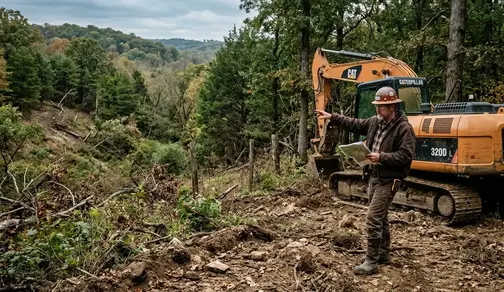
Excavation contractor evaluating land clearing site conditions including timber density drainage and terrain

Every successful clearing project begins with evaluating vegetation, drainage, terrain, access routes, and future land use.

Know What’s Really Hiding On Your Property

Vegetation often conceals drainage issues, buried obstacles, access problems, and terrain challenges that impact clearing costs and project timelines.

Call for Free Site Evaluation
Our Land Clearing Process From Start to Finish

Every property is different, but a disciplined process keeps the work predictable. This approach eliminates guesswork, reduces unnecessary disturbance, and ensures the land is prepared for whatever comes next, whether that is construction, pasture, access roads, or long-term development.

  1. 1. Site Evaluation
    We walk the property, identify vegetation types, assess access points, study drainage patterns, and locate hidden obstacles such as buried wire, rock shelves, or old fence rows.
  2. 2. Clearing Strategy Plan
    We determine the correct equipment lineup, debris handling method, soil protection strategy, and the sequence of operations based on your long-term goals.
  3. 3. Selective or Full Clearing
    Trees, brush, and stumps are removed with precision. We clear only what supports the project, preserving soil structure and protecting areas that should remain untouched.
  4. 4. Stump and Root Handling
    Stumps are removed, extracted, or ground depending on whether the land will support foundations, pasture, utilities, or future grading work.
  5. 5. Debris Management
    Material is mulched, hauled, chipped, stacked, or organized into controlled burn piles. The method is chosen based on site access, project goals, and long-term land use.
  6. 6. Final Cleanup
    We leave the property clean, accessible, and ready for the next phase. Trails open up, building sites become visible, and the land transitions from overgrown to workable.
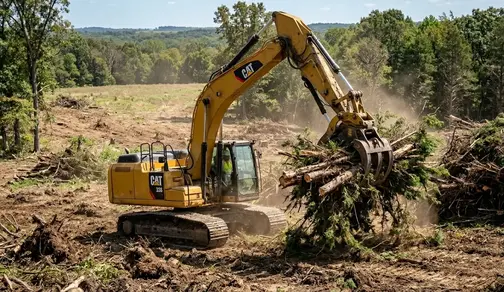
Excavator removing trees and brush during professional land clearing project in North Missouri

Excavators, grapples, and forestry attachments allow vegetation to be removed efficiently while protecting surrounding ground conditions.

Not All Land Clearing Projects Are the Same

Many property owners assume land clearing is a single type of service. In reality, every project has a different purpose, a different level of precision, and a different tolerance for soil disturbance. Clearing a homesite, reclaiming pasture, opening timber for hunting, and preparing a commercial pad each require their own approach, equipment lineup, and production strategy.

The intended use of the property controls everything. It determines how aggressively vegetation is removed, how root systems are handled, how debris is processed, and how much of the soil profile can be disturbed. It also dictates whether we prepare for future grading, utilities, drainage improvements, road construction, or foundation work during the clearing phase instead of after it.

Common Land Clearing Objectives

  • Residential homesite preparation that requires clean cuts, controlled root removal, and predictable drainage for future foundations.
  • Pasture and agricultural expansion where stumps, root mats, and soil compaction determine how productive the ground will be once seeded.
  • Driveway and access road development that depends on firm subgrade, proper drainage, and clear travel paths for heavy trucks.
  • Utility corridor clearing that requires straight lines, consistent widths, and safe access for trenching, boring, or overhead installation.
  • Hunting property improvement where selective clearing, habitat structure, and travel corridors matter more than raw acreage cleared.
  • Commercial site preparation that demands precise removal, controlled grading, and a layout that supports future infrastructure.

When the end use is understood from the start, equipment selection, debris handling, stump management, and grading preparation all work together instead of fighting each other. This is how a clearing project becomes efficient, predictable, and ready for the next phase of development.

Get A Clearing Plan Built Around Your Property Goals

Whether you're preparing for a homesite, pasture expansion, hunting land improvement, or commercial development, the right clearing strategy starts with understanding the end goal.

Request A Land Clearing Estimate

Common Land Clearing Projects We Perform

New Homesite Clearing

Preparing rural or wooded acreage for future construction by removing trees, brush, and stumps to create a clean, build-ready footprint.

Pasture Reclamation

Restoring overgrown fields by removing cedar, brush, and invasive growth to reopen productive grazing and hay ground.

Hunting Property Improvement

Enhancing wildlife habitat with access lanes, shooting lanes, food plot areas, and improved visibility for safer, more effective hunting.

Commercial Development Sites

Clearing commercial parcels for grading, utilities, parking lots, and future infrastructure with an emphasis on efficiency and compliance.

Driveway & Access Creation

Cutting new access routes through timber or brush to reach homesites, barns, ponds, or remote sections of a property.

Drainage & Erosion Prep

Clearing vegetation to expose drainage patterns, correct erosion issues, and prepare the land for proper water flow and long-term stability.

Complete Land Clearing Services

Tree Removal

Safe removal of trees of all sizes for construction, access roads, and site development.

Brush Clearing

Eliminating dense overgrowth, underbrush, and invasive vegetation prior to farm or ranch improvements.

Stump Removal

Grinding and extraction of stumps to create clean, build-ready ground.

Acreage Clearing

Full-scale clearing for farms, hunting land, and rural development projects.

Access Path Clearing

Clearing paths for driveways, roads, and utility access routes.

Debris Hauling

Removal and cleanup of all cleared material for a finished, usable site.
Land Clearing Equipment and Methods We Use

Effective land clearing depends on choosing the right machine for the right task. Vegetation type, soil conditions, slope, access limitations, and the final purpose of the property all determine which equipment enters the site first. Using the wrong machine wastes time, damages soil, and creates problems that show up long after the project is finished.

We match equipment to the land so production stays efficient, ground disturbance stays controlled, and the finished property is ready for the next phase of development. Every machine has a specific role, and knowing when to switch from one method to another is what separates professional clearing from rough cut work.

Excavators

Excavators provide controlled removal where precision matters, especially for pond construction preparation and grading tie-ins. They excel at pulling stumps cleanly, lifting root balls without tearing up surrounding soil, cutting fence rows, and working around structures, ponds, and utility corridors. Excavators are the backbone of selective clearing and are essential when the goal is clean ground that is ready for grading or construction.

Dozers

Dozers are built for production. They push heavy vegetation, open access lanes, cut new travel paths, and reshape ground quickly. When acreage needs to be converted efficiently, a dozer sets the pace. They are also ideal for rough grading, slope shaping, and preparing the site for future roads or building pads.

Forestry Attachments

Mulchers, grapples, root rakes, and brush cutters allow us to process vegetation on site. These attachments reduce hauling requirements, break down debris into manageable material, and create a cleaner working environment. They are especially effective for cedar removal, brush reduction, and projects where the goal is to improve access without disturbing the soil profile.

Debris Processing Equipment

Material handling depends on the project’s end use. Some sites require chipping or mulching to keep debris on the property. Others need stacking for controlled burn piles. Commercial and residential builds may require full removal to prepare for utilities, foundations, or road construction. We choose the method that supports the long-term plan for the land.

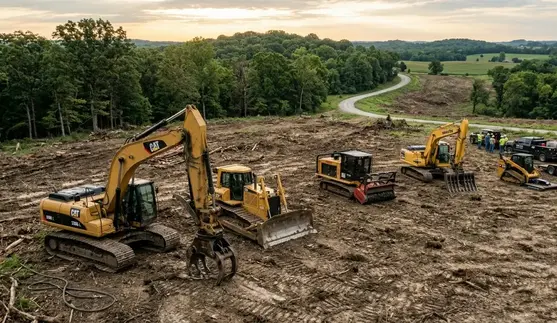
Professional land clearing equipment including excavator grapple dozer and forestry attachments on North Missouri property

Different vegetation and site conditions require different equipment. Matching the machine to the land is what keeps projects efficient and minimizes unnecessary disturbance.

Land Clearing vs Forestry Mulching

Property owners often wonder whether forestry mulching or full land clearing is the better fit for their project. The right choice depends on your long‑term goals, the condition of the land, and how “finished” the site needs to be when the work is complete. Below is a clear breakdown to help you decide.

Land Clearing

  • Removes trees, brush, stumps, and obstacles
  • Creates open, build‑ready ground
  • Supports construction, utilities, and grading
  • Allows for driveway cuts and site layout
  • Ideal for homesites, barns, and commercial pads

Forestry Mulching

  • Grinds vegetation into mulch on site
  • Leaves roots in place to reduce soil disturbance
  • Improves access, visibility, and usability
  • Great for trails, hunting land, and pasture edges
  • Not typically suitable for construction prep

Which Option Is Right for You?

Choose land clearing when you need a clean slate for building, grading, or long‑term development. Choose forestry mulching when you want to open up land quickly, improve access, or manage vegetation without disturbing the soil.

Not Sure If You Need Land Clearing Or Forestry Mulching?

We can evaluate your vegetation, future plans, and site conditions to determine which option delivers the best long-term result for your property.

Call For Expert Guidance

Hidden Problems We Frequently Discover During Land Clearing

Heavy vegetation hides more than brush and timber. It hides the history of the property. Once the canopy opens and the ground becomes visible, long‑buried issues reveal themselves. These conditions can influence drainage, construction plans, equipment access, and the overall cost of developing the land.

Many of these problems have been building for decades. Some were created by previous owners. Others are the result of natural erosion, abandoned infrastructure, or soil movement. Clearing exposes the truth about the land, and that truth determines how the next phase of work must be approached.

  • Drainage failures and seasonal water channels that were hidden beneath brush. These often explain why certain areas stay soft, flood easily, or refuse to grow healthy vegetation.
  • Abandoned roads, culverts, and old farm access routes that have been overtaken by growth. These can either be reclaimed for new access or removed entirely depending on the project goals.
  • Massive root systems that extend far beyond the visible tree line. These roots can affect grading, trenching, and the placement of future utilities or structures.
  • Rock shelves, shallow bedrock, and hardpan layers that limit excavation depth and influence where building pads, driveways, or ponds can be placed.
  • Buried fencing, wire, metal debris, and remnants of old agricultural operations. These hazards can damage equipment and must be removed before any meaningful development begins.
  • Previously cleared building sites that have grown over again. These areas often contain compacted soil, old footings, or remnants of past structures that affect new construction plans.

Identifying these issues early prevents costly surprises later. Once the land is opened up, we can correct drainage, remove hazards, reshape access routes, and prepare the property for long‑term use instead of short‑term cleanup.

What a Successful Land Clearing Project Looks Like

A successful clearing project leaves the land in a condition that supports real progress. The work should create a property that is easier to access, easier to build on, and easier to maintain. The results are visible in how the land performs, not in how much material was removed.

When clearing is done with intention, the property becomes predictable and workable. Water moves correctly. Equipment can travel without sinking. Building locations become obvious. The land transitions from overgrown and restrictive to usable and ready for development.

  • Vegetation is removed cleanly and with control, leaving soil structure intact and ready for grading or pasture work.
  • Access routes are open and firm, allowing trucks, equipment, and future crews to move through the property without hesitation.
  • Drainage patterns are clear and consistent, revealing how water naturally travels across the land and where improvements can be made.
  • Building sites, fence lines, and pasture areas are defined and workable, giving you a clear path to the next phase of development.
  • The property gains usable value because it becomes accessible, manageable, and prepared for long-term improvement.

Signs It Is Time to Clear Your Property

Vegetation Is Taking Over Usable Acreage

Cedar, brush, and invasive growth are consuming productive ground, choking out pasture, and reducing the land’s working footprint.

Access Has Become Difficult

Trails, fence lines, and old farm roads are no longer passable, limiting equipment access and making routine maintenance harder than it should be.

You Are Planning Construction

Homes, barns, shops, utilities, ponds, and driveways all require controlled clearing, clean root removal, and predictable ground conditions.

Drainage Problems Are Appearing

Overgrowth traps water, blocks natural flow paths, and accelerates erosion. Clearing exposes the true drainage pattern so it can be corrected.

Wildlife Habitat Needs Improvement

Thick, unmanaged timber reduces visibility, limits travel corridors, and prevents food plots from producing. Selective clearing restores balance and usability.

Utilities or Infrastructure Are Being Added

Power lines, water lines, fiber, and access easements require straight, clean corridors. Clearing ensures safe trenching and long-term serviceability.
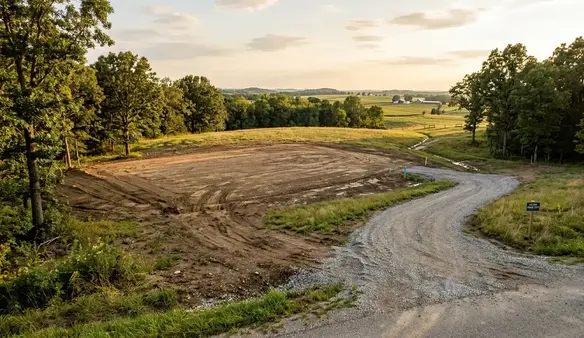
Cleared rural homesite with driveway access and open building area prepared for future construction

The goal of land clearing is not simply removing vegetation, it is creating usable ground that supports future development and long-term property value.

How Land Clearing Can Increase Property Value

Strategic land clearing does far more than remove trees and brush. It reshapes the usability, appearance, and long‑term potential of your property. By opening up the landscape, improving access, and revealing the true contours of the land, clearing can significantly raise both functional and market value. Whether you're preparing for construction, expanding agricultural operations, or simply improving curb appeal, a well‑executed clearing project creates opportunities that raw, overgrown acreage simply cannot offer.
Before You Call for Land Clearing

A quick conversation goes a lot smoother when we have a basic understanding of your property. You do not need exact measurements or survey data. A general idea of the site conditions helps us determine equipment needs, access requirements, and the most efficient clearing strategy.

  • Approximate acreage or size of the area you want cleared. Even a rough estimate helps determine production time and equipment requirements.
  • The type of vegetation on the property. Light brush, mixed timber, cedar thickets, or heavy hardwoods each require different clearing methods.
  • Current access conditions. Whether the property has a usable entrance, a narrow gate, soft ground, or if it is landlocked or remote.
  • Any known drainage issues. Standing water, soft spots, or seasonal flow paths influence how and when clearing should begin.
  • Terrain details. Slopes, ravines, rock shelves, or uneven ground affect machine selection and production speed.
  • Your long-term plan for the land. Homes, barns, pastures, driveways, food plots, or commercial pads all require different clearing approaches.

With this information, we can give you a more accurate estimate, avoid unnecessary delays, and plan a clearing strategy that supports your long-term goals instead of just removing vegetation.

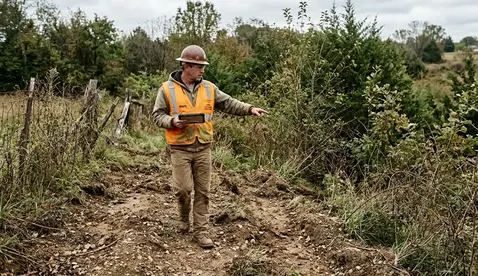
Land clearing contractor walking rural Missouri property evaluating terrain and vegetation

On-site evaluation reveals access, terrain, and vegetation conditions that photos miss.

Get Answers Before You Start Clearing

A quick conversation can help identify potential challenges, equipment requirements, access concerns, and the most efficient strategy for your property before any work begins.

Call for Free Estimate
Common Mistakes Property Owners Make With Land Clearing

Most costly problems in land clearing do not come from the machines. They come from decisions made before the first tree is touched. Poor planning, rushed bidding, and assumptions about how the land will behave often lead to drainage failures, soil damage, and expensive rework later.

  • Choosing a contractor based only on photos instead of a real site evaluation. Pictures hide slope, soil conditions, root systems, and access limitations that determine the true cost of the job.
  • Removing too many trees without understanding how they influence drainage, wind protection, erosion control, and long-term soil stability.
  • Clearing without planning access routes for future construction, utilities, or equipment. This often forces crews to re-enter the property later and disturb the ground a second time.
  • Ignoring stumps and root systems that later interfere with grading, trenching, foundation work, and pasture establishment.
  • Hiring the cheapest bid instead of the most controlled and methodical approach. Low bids often skip stump removal, soil protection, debris handling, and drainage considerations.
  • Overlooking drainage patterns that only become visible once vegetation is removed. Clearing without understanding water movement leads to standing water, erosion, and costly corrections.
  • Underestimating debris volume and assuming it can be “pushed aside.” Poor debris planning slows production, damages soil, and creates long-term maintenance problems.

Avoiding these mistakes protects your budget, your soil, and your long-term development plans. A controlled clearing strategy always costs less than fixing a rushed one.

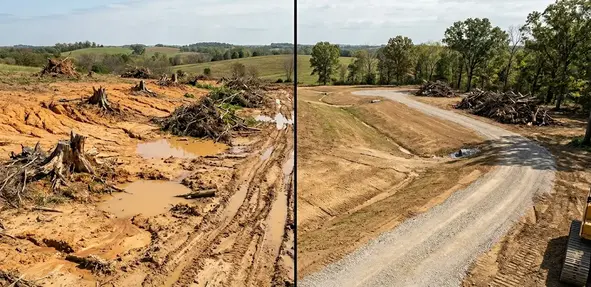
Comparison of poorly cleared land vs properly cleared and graded Missouri property

The difference between a successful land clearing project and an expensive mistake is often determined long before the first tree is removed.

Why DIY Land Clearing Often Costs More

Renting equipment and trying to clear land yourself may look affordable at first. In practice, most property owners run into hidden expenses, delays, and risks that quickly push the total cost far beyond what a professional crew would charge. These are the most common issues that drive DIY costs higher.

Small rented skid steer struggling vs professional excavator clearing dense Missouri timber

What takes a professional crew a day can take an inexperienced operator a week, while creating costly mistakes that remain long after the equipment leaves.

How Land Clearing Affects Future Construction

Land clearing is more than removing trees and brush. It sets the foundation for every phase of construction that follows. The quality of clearing work directly influences drainage, soil stability, grading efficiency, and ultimately the cost and durability of your build. Poor clearing decisions often lead to expensive rework, hidden soil problems, and long-term structural issues that only appear after major investment.

Foundation Behavior Starts at Clearing

Stumps, root mats, and buried organic material break down over time, causing soil movement and uneven compaction. Proper clearing ensures the building pad is stable, predictable, and ready for long-term structural loads.

Drainage Patterns Are Set Early

Once vegetation is removed, natural water flow becomes visible. If clearing is done incorrectly, runoff can be redirected into low areas, causing standing water, erosion, and future foundation or driveway issues.

Grading Efficiency Depends on Clearing Quality

Clean, controlled clearing reduces excavation time and prevents double-handling of soil. When debris, roots, and stumps are properly removed, grading crews can shape the land faster and more accurately.

Access and Layout Improve With Proper Clearing

Well-planned clearing opens up access routes for equipment, utility installation, and material delivery. This reduces delays and ensures the construction site flows efficiently from start to finish.

Site Visibility Reveals Hidden Issues

Clearing exposes terrain features, soil conditions, and elevation changes that are impossible to evaluate when the land is overgrown. This allows accurate planning for pads, driveways, drainage, and future structures.

Long-Term Stability Depends on Early Decisions

The choices made during clearing determine how well the site performs for decades. Proper removal, debris handling, and soil preparation prevent costly repairs and ensure a stable foundation for any project.
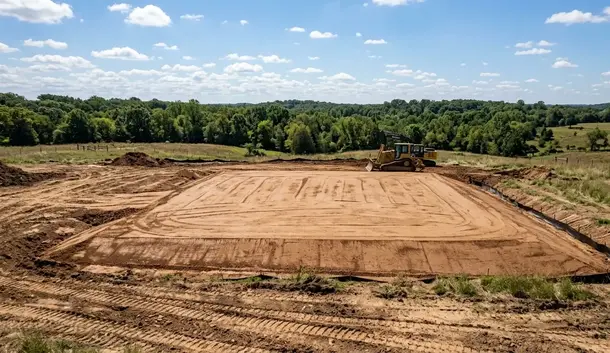
Graded building pad with visible drainage slope on cleared Missouri property

Clearing directly determines how stable your future foundation and drainage will be.

Planning to build after clearing?

A proper site evaluation prevents drainage and grading mistakes before they happen.

Call for Site Evaluation

Stump Removal vs Stump Grinding

How you deal with stumps after clearing has a major impact on soil stability, grading efficiency, and long-term construction performance. Each method has strengths and limitations, and choosing the wrong one can lead to settling, drainage issues, or costly excavation later.

Stump Removal

Stump removal involves extracting the stump and the entire root system from the ground. This method creates the cleanest and most stable subsurface for foundations, driveways, private roads, building pads, and any area that must support structural loads. It is often used during full land clearing projects where long-term site stability is required.

Stump Grinding

Stump grinding reduces the stump to wood chips below grade while leaving most of the root system in place. It is faster, less disruptive to the surrounding soil, and ideal for non-structural areas. However, as roots decompose, minor settling may occur, which can affect grading or surface stability if used in load-bearing zones.

Choosing the Right Method

Stump removal is the preferred choice for construction sites, building pads, and any location where long-term stability is essential. Stump grinding is typically used for pasture, trails, landscaping, and general land cleanup where slight ground movement is acceptable and full excavation is unnecessary.

Stump removal is typically required for foundation preparation, commercial site development, and load-bearing structures. Stump grinding is more common for pasture improvement and rural acreage cleanup.

Impact on Drainage and Soil Behavior

Buried wood and decaying roots can trap moisture or create soft pockets that disrupt natural water flow. Full removal ensures consistent soil compaction and reduces the risk of future drainage problems or erosion.

Regrowth and Long-Term Maintenance

Some species can sprout back from root systems after grinding. Complete removal eliminates this risk entirely, making it the better option for long-term vegetation control and maintenance-free results.
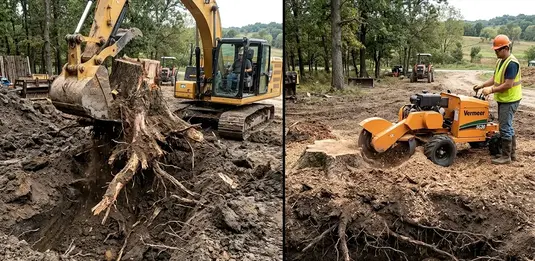
Side by side comparison of full stump removal versus stump grinding in Missouri soil

Stump removal creates stable ground. Grinding leaves future settling risk.

Not sure which stump method your land needs?

We evaluate soil, terrain, and future use before recommending removal or grinding.

Talk to a Clearing Specialist Get Full Project Quote
Why Property Owners Across North Missouri Choose Us

Land clearing is easy to do badly. Removing trees is only one small part of the project. The real challenge is protecting the ground, preserving future usability, and preparing the property for whatever comes next. Our approach focuses on long-term results rather than simply removing vegetation as fast as possible.

North Missouri Experience

We understand the realities of North Missouri properties including heavy clay soils, cedar invasions, hedge rows, rolling terrain, buried farm infrastructure, and seasonal drainage challenges. Local experience allows us to anticipate problems before they become costly surprises.

Heavy Equipment Capability

Dense timber, mature trees, root systems, and large acreage projects require equipment built for production. We use professional excavation and land clearing equipment capable of handling projects that smaller machines simply cannot complete efficiently.

Soil Preservation Focus

Clearing land should not create future problems. We pay close attention to soil disturbance, compaction, drainage patterns, and root removal methods to help preserve the integrity of the property long after the clearing work is complete.

Complete Site Development Mindset

We do not view land clearing as an isolated service. Every decision is made with future grading, driveways, utilities, building pads, and ponds in mind. This integrated approach saves time, money, and unnecessary rework later.

On-Site Property Evaluations

Photos rarely tell the whole story. We evaluate vegetation density, access conditions, terrain, drainage patterns, hidden obstacles, and equipment requirements in person so pricing and project planning are based on actual site conditions.

Clear Project Planning

Before equipment arrives, we establish a clear strategy for vegetation removal, stump handling, debris management, access routes, and final site conditions. This reduces delays, minimizes surprises, and keeps projects moving efficiently.

The goal is not simply to clear land. The goal is to leave behind a property that is easier to access, easier to develop, and better prepared for the future. Whether the next step is construction, agriculture, recreation, or long-term investment, we approach every project with the end result in mind.

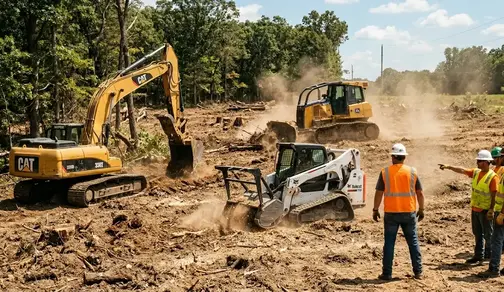
Professional excavation crew operating skid steer and excavator on Missouri land clearing project

Professional crews ensure controlled clearing that protects soil and future use.

What Factors Affect Land Clearing Costs?

No two properties are exactly alike, which is why land clearing costs can vary significantly from one project to the next. The amount of vegetation, site accessibility, terrain conditions, and future plans for the property all influence the equipment, labor, and time required to complete the work safely and efficiently.

Vegetation Density & Tree Size

Light brush clearing typically requires less time and equipment than properties covered with mature timber, dense cedar thickets, hedge trees, or heavy undergrowth. Larger trees often require additional cutting, handling, and disposal efforts.

Terrain & Ground Conditions

Flat, accessible ground is generally more efficient to clear than steep slopes, heavily eroded areas, rocky terrain, or properties with unstable soil conditions. Challenging terrain can impact equipment selection and production rates.

Site Accessibility

Properties with established entrances and good equipment access are often simpler to clear than sites located behind narrow gates, wooded corridors, creeks, or difficult terrain. Access limitations may require additional planning and specialized equipment.

Debris Handling & Disposal

Some projects only require vegetation to be cleared and stacked, while others involve hauling debris away, grinding material, burning brush piles where permitted, or preparing the site for immediate construction. Disposal requirements can significantly influence project scope.

Stump Removal Requirements

If the property is being prepared for construction, roads, utilities, or agricultural use, stump removal may be necessary. Removing root systems often requires additional excavation and site restoration work beyond basic clearing. This is especially important when preparing for foundation preparation, commercial site development, or other load-bearing structures. For pasture improvement or rural acreage cleanup, stump grinding is often preferred, such as in farm and ranch site development.

Acreage & Project Scope

The total area being cleared is an important factor, but acreage alone does not determine cost. One acre of dense cedar growth may require more effort than several acres of light brush. Project goals and site conditions ultimately determine the amount of work involved.
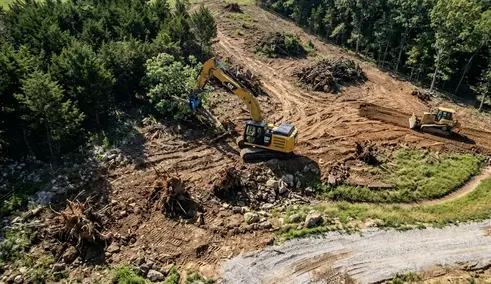
Important: The most accurate way to estimate a land clearing project is through an on-site evaluation. Factors that cannot be fully understood from aerial imagery or acreage alone often have a major impact on equipment requirements, timelines, and overall project costs.
Aerial view of a North Missouri land clearing project showing dense cedar thickets, mature timber, rolling terrain, drainage features, equipment access routes, stumps, and debris piles that influence land clearing costs

Land clearing costs are influenced by vegetation density, terrain, site access, stump removal requirements, debris handling needs, and the overall complexity of the property.

Find Out What Your Property Will Actually Cost to Clear

Aerial maps and acreage estimates only tell part of the story. The most accurate pricing comes from evaluating vegetation density, terrain, drainage conditions, access routes, and project goals in person.

Request a Free Estimate

What Land Clearing Costs in North Missouri

Pricing isn’t based on acreage alone. In North Missouri, the real cost comes from what’s on the ground and how long it’s been left alone. Timber density, old fence rows, hedge thickets, and root systems in heavy clay will change the scope faster than property size ever will. These same conditions often determine how projects transition into full site preparation, grading and drainage work, or building pad construction.

Light Brush Clearing

$1,500 – $6,000+

Fence lines, light overgrowth, and pasture cleanup. Typically fast work with good equipment access and minimal haul-off.

Standard Acreage Clearing

$5,000 – $25,000+

Mixed brush, small trees, and scattered stumps across multiple acres. Pricing depends on density, access, and how much material has to be processed or moved.

Heavy Timber Clearing

$15,000 – $75,000+

Thick woods, unmanaged acreage, and full land conversion projects. Requires full machine clearing, stump handling, and significant debris management.

What Actually Controls Your Price

The cheapest-looking ground is often the most expensive to clear once you get into it. We don’t estimate from photos alone, we walk it, read the soil, and price what the land actually demands.

How Long Does Land Clearing Usually Take?

Clearing time depends on vegetation density, terrain, access, and the level of finish you want. What most property owners care about is simple: how long until the land is usable. These timelines reflect real‑world averages based on the most common project types.

Fence Rows & Brush

Light brush, saplings, and overgrowth along fence lines are typically cleared in a single day. Fast, efficient work that immediately improves access and visibility.

Small Lots & Homesites

Most homesites take one to three days. Tree density, stump removal, and grading needs determine the exact timeline. The result is a clean, build‑ready pad.

Pasture & Field Reclamation

Reclaiming overgrown pasture typically takes two to seven days. Mulching thick brush, removing volunteer trees, and smoothing erosion areas drive the schedule.

Acreage Clearing

Multi‑acre projects range from several days to multiple weeks. Terrain slope, debris handling, and access routes are the biggest factors in total time.

Heavy Timber Removal

Mature hardwood stands often require phased work, felling, stump extraction, debris processing, and final grading. Staged scheduling keeps the site safe and efficient.

Full Property Prep

When clearing is combined with grading, driveway cuts, drainage shaping, or utility prep, expect a one‑ to three‑week timeline depending on scope. This delivers a fully ready‑to‑build property.
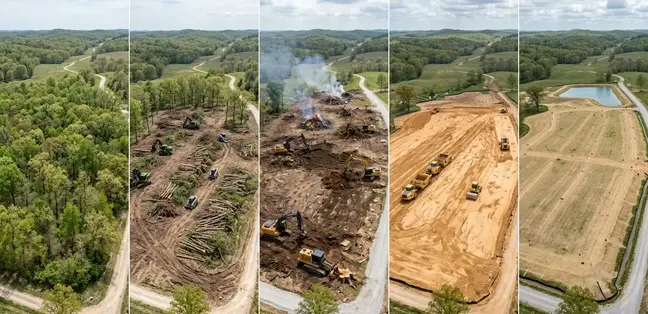
Time lapse style progression of land clearing stages from forest to cleared land

Clearing speed depends on density, terrain, and access conditions.

What Happens After the Land Is Cleared?

Many people view land clearing as the final goal, but in most cases it is actually the beginning of a much larger property improvement project. Clearing removes the obstacles that prevent development, but the newly exposed land often reveals opportunities that were impossible to see before.

For future homesites, clearing is usually followed by grading and drainage improvements, utility trenching, driveway construction, and building pad preparation. Removing vegetation allows contractors to properly evaluate the terrain and prepare the property for construction.

Agricultural properties often move into pasture expansion, fence installation, farm and ranch site development, livestock access improvements, and field development. Many landowners discover they have significantly more usable acreage than they originally realized once brush, timber, and overgrowth are removed. This is why we approach land clearing as part of the overall site development process rather than treating it as an isolated service.

Rural development projects frequently require access roads, culverts, grading work, and drainage corrections after clearing is complete. Opening the property creates the foundation for these improvements to move forward efficiently.

This is why we approach land clearing as part of the overall site development process rather than treating it as an isolated service. The decisions made during clearing directly affect every phase that follows.
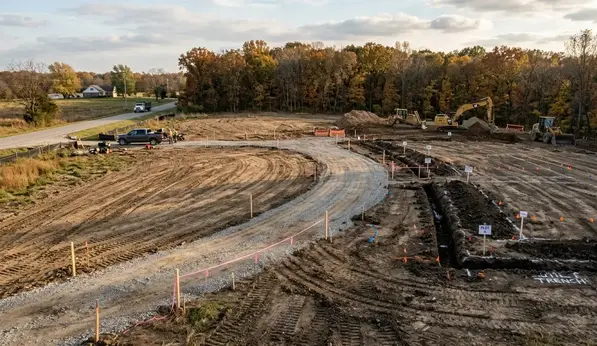
Cleared land transitioning into grading, driveway, and construction preparation phases

Land clearing reveals the property’s true potential and creates the foundation for grading, drainage improvements, utility installation, road construction, and future building projects.

Plan Your Entire Property Improvement Project

Land clearing is often the first step toward grading, drainage improvements, driveways, utility installation, ponds, and building pad preparation. We can help you develop a plan that prepares the property for everything that comes next.

Call Today

Related Excavation & Site Development Services

Land clearing is rarely the final step in a property improvement project. Once trees, brush, stumps, and overgrowth have been removed, most properties move into grading, drainage improvements, utility installation, road construction, foundation preparation, or full site development. Coordinating these services from the beginning helps reduce project costs, improve efficiency, and ensure every phase of work supports the next.

Land Grading & Drainage Solutions

Correct drainage problems, eliminate standing water, control erosion, and shape the land for long-term stability, accessibility, and construction readiness.

Learn More

Pond Construction & Excavation

Build new ponds, expand existing ponds, improve water retention, and create agricultural, recreational, or livestock water resources.

Learn More

Driveway & Private Road Construction

Install durable gravel driveways, farm roads, culverts, and rural access routes designed to withstand Missouri weather and drainage conditions.

Learn More

Building Pad & Foundation Preparation

Prepare homesites, shops, barns, agricultural buildings, and commercial structures with proper grading, compaction, and foundation-ready surfaces.

Learn More

Utility Trenching Services

Install water lines, electrical conduit, gas service, septic connections, and fiber optic infrastructure after clearing creates safe access corridors.

Learn More

Excavation & Site Preparation

Move directly from land clearing into excavation, grading, earthmoving, site development, and complete construction preparation services.

Learn More

Many North Missouri projects begin with land clearing but ultimately require multiple phases of excavation and site development. Planning the entire project from the start helps ensure clearing, grading, drainage, utilities, roads, ponds, and construction all work together efficiently while minimizing delays, rework, and unnecessary costs.
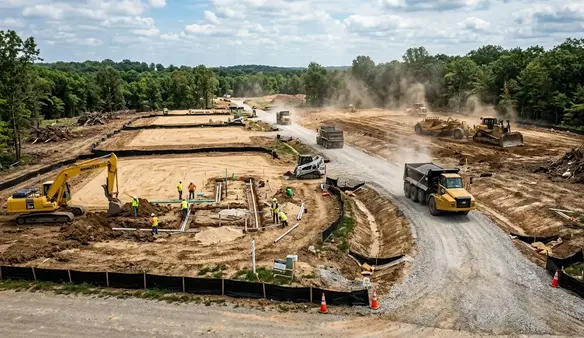
Excavation site showing grading, trenching, and driveway construction after land clearing

Land clearing is rarely the final goal. It is the critical first phase that prepares the property for roads, utilities, grading, building pads, ponds, and long-term development.

Land Clearing Challenges Unique to North Missouri

North Missouri is not simple ground to clear. The region combines heavy clay soils, dense hedge rows, invasive cedar growth, mature hardwood timber, rolling terrain, and unpredictable drainage patterns. These conditions require a different approach than the flat agricultural fields found farther south or the engineered subdivisions near major cities.

Across Livingston, Grundy, Daviess, Harrison, Mercer, Sullivan, Linn, Caldwell, Putnam, and surrounding counties, properties often contain decades of agricultural history buried beneath the surface. Old fence rows, abandoned homesteads, buried concrete, forgotten access paths, and deep root systems are common. Clearing this type of land demands equipment that can handle weight, leverage, and extraction without destroying the soil profile.

Common Challenges Across North Missouri

  • Rolling terrain and uneven ground that limit machine access and require strategic path cutting before production can begin.
  • Dense cedar and hedge growth that choke out pasture, create fire hazards, and require controlled removal to protect soil structure.
  • Heavy clay soils that hold moisture, rut easily, and demand careful equipment selection to avoid long-term compaction.
  • Seasonal drainage patterns that only become visible once vegetation is removed, revealing low spots, erosion channels, and water traps.
  • Buried fencing, wire, metal debris, and remnants of old farm operations that can damage equipment and slow production.
  • Shallow bedrock, rock shelves, and hardpan layers that influence where building pads, driveways, and utilities can be placed.

Understanding these regional challenges allows us to plan clearing operations that move efficiently, protect the soil, and prepare the property for long-term development. When the land is approached with local knowledge, the results are cleaner, safer, and far more predictable.

Ready to Reclaim Your Property?

Whether you're clearing a homesite, reclaiming pasture, opening hunting land, removing cedar thickets, or preparing for construction, we can evaluate your property and recommend the most efficient path forward.

Call for Free Estimate

Land Clearing Services Across North Missouri

We provide professional land clearing, brush removal, tree clearing, stump removal, acreage cleanup, and site preparation services throughout North Missouri. Whether you're preparing a homesite, reclaiming pasture ground, opening hunting property, or developing rural acreage, we have the equipment and experience to handle projects of all sizes.

Our crews regularly work on farms, timber tracts, residential properties, commercial sites, and recreational land throughout the region. We understand the challenges created by cedar invasions, hedge rows, mature hardwoods, rolling terrain, buried farm infrastructure, and Missouri clay soils.

Cities We Commonly Serve

Counties We Regularly Serve

If your property is located anywhere in North Missouri or a surrounding rural area, contact us to discuss your project. We can evaluate site conditions, determine equipment requirements, and develop a land clearing plan tailored to your property's terrain, vegetation density, and future goals.

Frequently Asked Questions About Land Clearing in North Missouri

Land clearing in North Missouri involves much more than simply removing trees. Properties across Livingston, Grundy, Daviess, Harrison, Mercer, and surrounding counties often contain dense timber, thick brush, uneven terrain, old fence lines, buried debris, and root systems that require proper equipment and planning. Clay soil, steep slopes, and long rural acreage runs can make clearing more complex than expected. These FAQs address the most common questions property owners have before starting a land clearing project.

What does a professional land clearing project include?
A full land clearing project includes removing trees, brush, and undergrowth, grinding or extracting stumps, clearing fence lines and debris, hauling or mulching material, and preparing the surface for grading or construction. The goal is to turn overgrown land into usable, accessible, build-ready property.
Do I need permits for land clearing in North Missouri?
Some land clearing projects may require permits depending on county regulations, environmental restrictions, protected tree areas, or proximity to waterways. Larger clearing operations or projects tied to new construction may also require approval. We help identify any requirements before work begins.
How do you handle large trees and deep root systems?
Large trees are removed using heavy equipment, followed by stump grinding or extraction depending on project goals. Deep root systems are broken up or removed to prevent future settling issues, drainage problems, or regrowth in cleared areas.
Can you clear heavily wooded or overgrown properties?
Yes. We regularly clear dense timber, unmanaged woods, overgrown fields, and properties that have not been maintained for years. We use equipment designed to handle thick vegetation, tangled root systems, and difficult access conditions.
What happens to the trees, brush, and debris after clearing?
All material is either hauled off-site, chipped into mulch, or strategically piled depending on the project scope and landowner preference. The goal is to leave the property clean, usable, and ready for the next phase of development.
Can you clear land for new home construction or building sites?
Yes. Land clearing is often the first step in preparing a construction site. We remove vegetation, open access routes, and prepare the area so grading, excavation, and building pad work can begin efficiently.
Can you clear acreage for farms, pasture, or grazing land?
Yes. We clear land for agricultural use including pasture expansion, fence line clearing, livestock access areas, and equipment routes. Clearing improves usability and helps maximize productive acreage.
How do you handle stump removal during clearing?
Stumps can be ground below surface level or fully extracted depending on future land use. Grinding is often used for pasture or general clearing, while full removal is preferred for construction or building sites.
Can you clear long rural access paths or driveway routes?
Yes. We clear paths for driveways, farm roads, and utility access routes across rural acreage. This includes removing trees, brush, and obstacles while shaping the route for future grading and gravel installation.
How do you prevent damage to surrounding land during clearing?
We use controlled clearing methods and appropriate equipment to minimize disturbance to surrounding soil and vegetation. Careful planning ensures only designated areas are cleared while protecting usable portions of the property.
How long does land clearing usually take?
Small residential clearing projects may take a single day, while larger acreage clearing or heavily wooded properties can take several days or longer depending on density, terrain, weather, and access conditions.
How is land clearing priced in North Missouri?
Pricing depends on acreage size, tree density, brush thickness, stump removal requirements, terrain difficulty, and equipment access. Dense timber or rocky terrain increases project scope. On-site evaluation provides the most accurate estimate.
Can you clear land with rocky or difficult terrain?
Yes. North Missouri properties often include rock shelves, uneven ground, and challenging terrain. We use specialized equipment and techniques to safely clear vegetation while working around subsurface obstacles.
Do you handle burning or disposal of cleared material?
Depending on local regulations and project scope, material may be hauled off, chipped, or piled for future burning if permitted. We follow all local guidelines for safe and compliant disposal.
Can land clearing be done during winter or wet seasons?
Yes. Land clearing can often be performed year-round depending on ground conditions. Frozen ground can sometimes improve access, while extremely wet conditions may require adjustments for equipment safety and soil protection.
Can you combine land clearing with grading or excavation?
Yes. Land clearing is often part of a full site preparation package that includes grading, drainage work, driveway installation, and building pad construction. Combining services improves efficiency and reduces overall project time.

Ready to Clear Your Land and Put the Property to Work?

Whether you're clearing trees for a new home site, expanding pasture, reclaiming overgrown acreage, preparing for construction, or opening access roads, we can safely remove vegetation and prepare the land for its next use.

Call now for a site evaluation, clearing assessment, and a clear plan for transforming your property.

Call for a Land Clearing Evaluation